

Dental Tourism Turkey Experiences 2026: Is it really safe & worthwhile?
\n
\n
Every year, hundreds of thousands of people travel from Germany, Austria, and Switzerland to Turkey – and not just because of the beaches. Dental Tourism in Turkey is no longer a secret tip. Those planning veneers, implants, or a Hollywood Smile often pay 50 to 75 percent less in Istanbul than at home. But is it really worth it? And what do patients who have already done it say?
\n
In this experience report, we answer the most important questions about dental tourism in Turkey – honestly, directly, and without advertising messages.
\n
What is Dental Tourism in Turkey?
\n
Dental tourism (also known as dental travel or dental trips) refers to the targeted travel abroad to undergo dental treatments. Turkey – and especially Istanbul – has established itself as one of the leading destinations worldwide.
\n
The reasons are diverse: Lower living costs, government subsidies in the tourism sector, and strong competition among clinics have brought prices to a level that is extremely attractive for DACH patients. At the same time, Turkish dental clinics have massively invested in technology and training over the last 15 years.
\n
The following treatments are particularly in demand:
\n
- \n
- Veneers in Istanbul – Ceramic and composite veneers for a flawless smile
- Dental Implants in Turkey – Single implant to All-on-4/All-on-6
- Hollywood Smile Turkey – the complete smile makeover
- Zirconia crowns in Istanbul – high-quality dental prosthetics without metal
- Teeth whitening in Turkey – professional bleaching in one session
\n
\n
\n
\n
\n
\n
Real Experiences: What Patients Report
\n
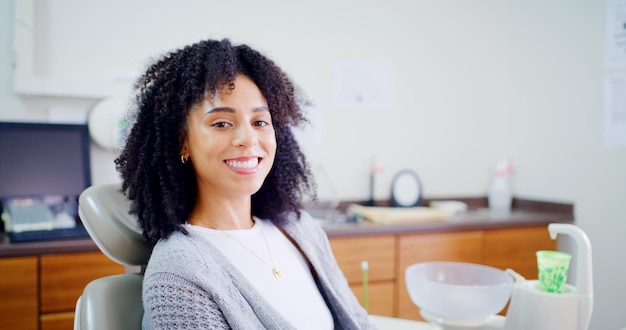
The experiences of patients who have traveled to Turkey for dental care are overwhelmingly positive – as long as they are well prepared and have chosen a reputable clinic. Here are the most common feedbacks:
\n
Positive experiences (the majority)
\n
- \n
- Unbeatable value for money: "I paid 4,200 euros for 18 veneers in Istanbul. The same would have cost over 16,000 euros in Munich." – Stefanie, 34, Munich
- Professional care: "The clinic was more modern than my dentist in Vienna. Digital X-rays, 3D scans, everything up to date." – Klaus, 51, Vienna
- Perfect communication: "There was always a German-speaking contact person. I never felt misunderstood." – Maria, 42, Zurich
- Short treatment time: "Everything was done in 5 days – initial examination, temporary crowns, final veneers. Incredibly efficient." – Thomas, 38, Hamburg
\n
\n
\n
\n
\n
Critical voices (the minority)
\n
- \n
- Aftercare from afar: Those who have problems after returning must communicate with their local dentist. This requires good documentation from the clinic.
- Quality differences between clinics: Not all clinics in Turkey are equally good. Careful selection is essential.
\n
\n
\n
The conclusion of most patients: Those who choose a reputable clinic do thorough research and have realistic expectations have very good experiences with dental treatments in Turkey.
\n
Cost Comparison: Turkey vs. Germany & Austria
\n
The price difference is the central argument for a dental trip to Turkey. Here is an overview of typical costs:
\n
| Treatment | Germany/Austria | Turkey (Dent360) | Savings |
|---|---|---|---|
| Veneer (per tooth) | €700–1,200 | €180–350 | up to 75% |
| Dental implant (complete) | €2,000–3,500 | €450–900 | up to 75% |
| All-on-4 (per jaw) | €12,000–18,000 | €3,500–6,000 | up to 70% |
| Zirconia crown | €800–1,400 | €200–400 | up to 72% |
| Hollywood Smile (16 teeth) | €12,000–20,000 | €3,200–6,000 | up to 75% |
| Professional Bleaching | €400–800 | €150–250 | up to 65% |
\n
Important: Even when factoring in flight and hotel, the savings remain significant. A typical trip to Istanbul (flight + 5 nights hotel) costs about €500–800. For larger treatments, the total savings are often still in the double digits.
\n
Is Dental Tourism in Turkey serious?
\n
This question concerns everyone planning a dental trip. The honest answer: It depends on the clinic.
\n
Turkey has strict government regulations for dental practices and clinics. All licensed dentists must have completed a 5-year degree at a Turkish university, many have also studied or trained abroad. Many clinics are certified according to ISO 9001 or JCI (Joint Commission International) – the international gold standard in healthcare.
\n
How can you recognize a reputable clinic?
\n
- \n
- Transparent price list without hidden costs
- Free initial consultation (online or on-site) with a concrete treatment plan
- Real before-and-after pictures with verifiable patient stories
- German-speaking patient support
- Guarantees on materials and workmanship (at least 2–5 years)
- Clear communication about aftercare and follow-up treatments
- No 'pressure' sales on-site
\n
\n
\n
\n
\n
\n
\n
\n
More about: Veneers Turkey – how to recognize fraud and dubious clinics
\n
Process: How a dental trip to Turkey works
\n
A well-organized dental trip typically goes through 5 phases:
\n
Phase 1: Online consultation (1–2 weeks before the trip)
\n
You send photos of your teeth and a brief concern. Reputable clinics then create an individual treatment plan with exact costs – free and non-binding.
\n
Phase 2: Arrival and initial examination (Day 1)
\n
Many clinics offer transfer service from the airport. On the first day, a thorough examination with digital X-rays and 3D scan takes place. The final treatment plan is confirmed.
\n
Phase 3: Main treatment (Day 2–4)
\n
Depending on the treatment, the main part lasts 1–4 days. For veneers, temporary ones are first placed, then the final shells. For implants, a second visit may be necessary (healing phase 3–6 months).
\n
Phase 4: Final adjustment and acceptance (last day)
\n
The finished restorations are adjusted, polished, and finally placed. You receive complete documentation for your home dentist.
\n
Phase 5: Aftercare (after the trip)
\n
Good clinics remain reachable via WhatsApp or email. In rare problems, reputable providers cover the costs for necessary corrections.
\n
More details: The complete travel guide for dental treatment in Turkey – explained step by step
\n
Risks and How to Avoid Them
\n
Dental tourism is not risk-free – but the risks are manageable if approached correctly.
\n
Common risks
\n
- \n
- Quality fluctuations: Not all clinics operate at the same level. Solution: Read reviews, ask the clinic directly, check certifications.
- Communication problems: Language barriers can lead to misunderstandings. Solution: Choose only clinics with proven German-speaking support.
- Aftercare complexity: In case of problems after returning home, the local dentist must be involved. Solution: Request and take complete treatment documentation with you.
- Too many teeth treated: Some clinics recommend more treatments than necessary. Solution: Get a second opinion, insist on your own findings.
\n
\n
\n
\n
\n
Related article: Health tourism in Turkey – Benefits and what you should know
\n
\n
Frequently asked questions about dental tourism in Turkey
\n
Does health insurance cover treatments in Turkey?
\n
Statutory health insurance in Germany and Austria usually does not cover costs for dental treatments abroad. However, some private supplementary insurances reimburse part of the costs – check your insurance conditions before traveling. More on this: Dental implants Turkey and health insurance – what is reimbursed?
\n
How long do I need to stay in Istanbul?
\n
For simple treatments like bleaching or composite veneers, 3–4 days are often sufficient. For more extensive work like porcelain veneers or a Hollywood smile, plan for 5–7 days. For implants with a healing phase, two separate visits are necessary (about 3–6 months apart).
\n
Are Turkish dentists really as good as European ones?
\n
Turkish dentists in reputable clinics are excellently trained. Many have studied or completed further training in Germany, Switzerland, or the USA. The technology in top clinics is at the same or higher level as in Western Europe.
\n
What happens if something goes wrong?
\n
Reputable clinics offer guarantees on their work – usually 2–5 years on materials and craftsmanship. In case of problems, corrections are carried out free of charge or at low cost. In the worst case, a Turkish dentist can also communicate remotely with your local dentist.
\n
Is Istanbul safe for tourists?
\n
Istanbul is one of the most visited cities in the world and generally safe for tourists. The clinics are often located in modern districts like Sisli, Besiktas, or Kadikoy – very safe and well-connected. Your hotel and transfer will be coordinated by the clinic.
\n
How do I find the best clinic for my dental tourism?
\n
Research on Google reviews, Trustpilot, and specific dental tourism forums. Look for clinics with at least 200 genuine reviews, an average of 4.5 stars or better, and proven specialization in treating international patients. Here you will find our criteria for the best veneer clinic in Turkey.
\n
Conclusion: Dental tourism Turkey – is it worth it in 2026?
\n
Yes – if done correctly. The experiences of the overwhelming majority of patients are positive. The savings are real and significant. The quality in reputable clinics is high. The crucial factor is the choice of clinic: Research carefully, trust real reviews, and choose a clinic with proven experience in caring for German-speaking patients.
\n
Dent360 Clinic cares for hundreds of patients from German-speaking countries every year. Free online consultation, complete cost transparency, German-speaking support from A to Z.
\n
\n
Related articles
\n
- \n
- Veneers Istanbul Turkey – Costs, Clinics, and Reviews
- Dental implants in Turkey – all important information at a glance
- Hollywood Smile Turkey – Costs, Process, and Experiences
- Veneers Turkey Costs 2026 – all prices at a glance
- Dental treatment Turkey – the complete travel guide
- Experiences with implants in Turkey – real patient reports
\n
\n
\n
\n
\n
\n
\n